
A failed alarm panel, disabled sprinkler zone, damaged detector, or planned system shutdown changes a property’s fire protection immediately. Businesses arranging Fire Watch Security riverside need a temporary human monitoring process that begins promptly and follows the instructions of the property, fire authority, and qualified system contractor.
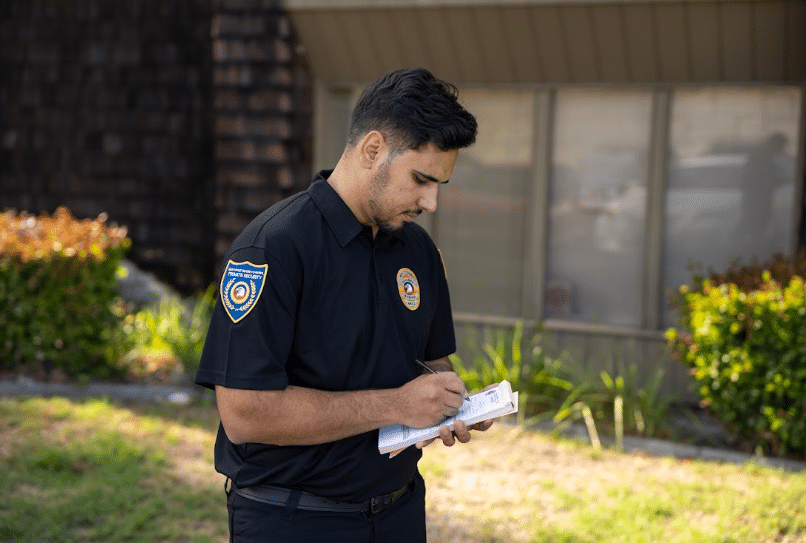
Professional fire watch security services assign trained personnel to observe affected areas, identify signs of fire, maintain logs, and start the notification process if an emergency develops. Our fire watch security service supports commercial properties, construction sites, residential communities, and other facilities during temporary impairments or elevated fire-risk work.
A System Outage Removes a Critical Layer of Protection
Fire protection systems perform different jobs. Detection devices identify signs of fire, alarms notify occupants, and suppression systems may control fire growth. When one part is unavailable, the remaining systems may not provide the same level of warning or response. Managers should confirm the scope of the impairment rather than assume the entire building is affected equally.
OSHA’s fire detection system standard addresses restoration, maintenance, testing, and employee notification where workplace systems are used. Local fire authorities and building codes may add other requirements, so a security provider should follow the written instructions supplied for the specific property and outage.
Fire Watch Guards Conduct Assigned Rounds
A fire watch route may include corridors, stairwells, mechanical rooms, storage areas, electrical spaces, construction zones, exits, and rooms affected by the disabled system. The patrol frequency and staffing level should come from the authority having jurisdiction or the property’s approved plan, not from a generic assumption.
Many assignments use unarmed security guard service riverside because the primary duty is observation, notification, documentation, and evacuation support. Officers must remain focused on the watch and should not be given unrelated tasks that keep them away from the designated area for long periods.
Officers should also know which conditions require an immediate stop to nearby work, if the property plan gives them that authority. Smoke, sparks outside the controlled area, blocked exits, or accumulating combustible waste should never be treated as routine observations. The officer must report the condition through the designated chain without delay.
Documentation Shows That the Watch Is Active
A useful fire watch log records the officer’s name, patrol times, areas checked, conditions observed, hazards identified, and actions taken. The record should be completed during the assignment rather than reconstructed later. Managers may need the log for the fire authority, insurer, alarm contractor, or internal safety review.
Reports also help one shift brief the next. An officer can note a closed stairwell, repair crew location, hot-work area, blocked exit, or temporary alarm arrangement that requires continued attention. Accurate handover prevents the new officer from repeating the route without understanding the property’s current conditions.
The assignment should also include a shift-change procedure when coverage continues for many hours or days. The outgoing officer can review current repair activity, patrol exceptions, recent hazards, and unresolved notifications with the incoming officer. Supervisors should verify that no patrol interval is missed during the handoff. This continuity is especially important when the affected area changes as technicians isolate, repair, and test different parts of the system.

Guards Must Know How to Escalate a Fire Emergency
Fire watch personnel should know how to activate the available alarm method, call emergency services, notify building management, and support evacuation. They should also understand the limits of extinguisher use and avoid entering smoke or attempting firefighting beyond their training. The priority is rapid warning and safe movement away from danger.
OSHA’s welding and cutting rules describe circumstances in which fire watchers are required and state that they must have suitable extinguishing equipment and know how to sound an alarm. The hot-work fire watch requirements provide useful context for sites where sparks, heat, or combustible materials create a temporary risk.
Coverage Ends Only After Proper Restoration
A guard should not end the assignment simply because repair personnel have left. The responsible property representative should confirm that the system is restored, tested, accepted where required, and released from fire watch by the appropriate authority. Written confirmation reduces the risk of a coverage gap between repair and normal operation.
Businesses using private security services in Riverside should provide updated contacts for the alarm contractor, property manager, facilities lead, and emergency services process. OSHA maintains a broader collection of fire safety standards that can help managers identify related workplace requirements while professional contractors address the system itself.
Managers should keep the fire watch plan available after the system returns to service. Reviewing the logs can reveal blocked exits, housekeeping problems, or communication gaps that existed independently of the outage. Correcting those issues improves everyday fire readiness and gives the property a stronger starting point if another impairment occurs.

Maintain Human Oversight During the Impairment
Reliable fire-system outage monitoring gives a property a defined observation and notification process while automated protection is unavailable. It does not repair the system, but it helps maintain attention, records, and emergency readiness until qualified personnel complete the work.
West Coast Security Patrol provides documented fire watch coverage and trained unarmed security guards for temporary and ongoing assignments. Restore active oversight during a fire-system interruption by arranging coverage that follows the property’s instructions and required patrol schedule.