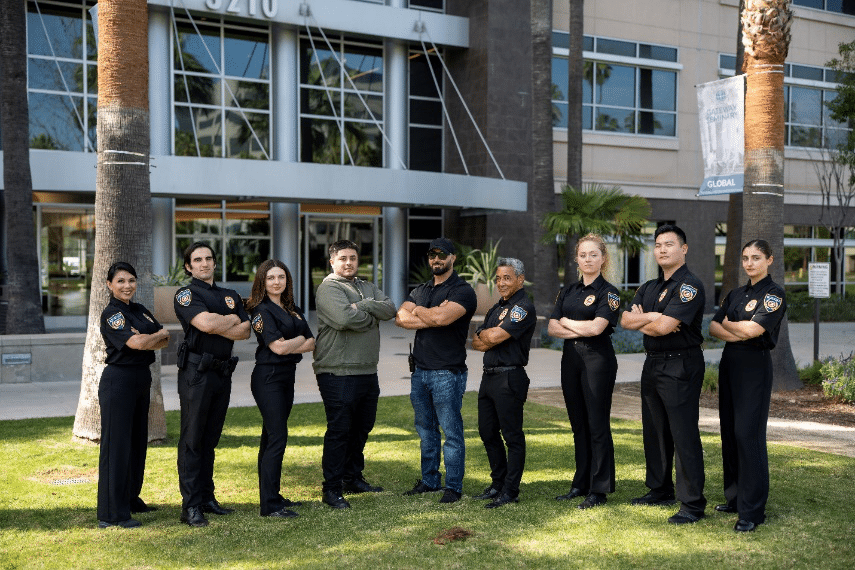

A retail storefront, a manufacturing plant, and a residential apartment complex don’t face the same risks, don’t keep the same hours, and don’t need the same coverage, yet a lot of security contracts still get built from the same generic template regardless of what property it’s covering, sold on a price sheet rather than an actual understanding of the site. A genuinely customized business security solutions approach starts with a site walkthrough, not a package selected off a price sheet, and it accounts for a property’s actual layout, traffic patterns, and history before recommending anything. Even something as specific as private home security in Riverside looks completely different depending on the property, the neighborhood, and what the family actually needs covered.
We build every proposal around a specific property, whether that means armed coverage, unarmed patrols, vehicle patrol routes, or a combination, rather than defaulting to whatever package is easiest to sell.
It’s worth saying plainly: a customized plan isn’t automatically more expensive than a generic package. It’s often the same budget spent more effectively, since money that would have gone toward blanket overnight coverage a property doesn’t actually need can instead go toward the specific gap that a walkthrough actually turns up.
Why a Generic Package Leaves Gaps
A standard security package is built to cover the most common risks across many different property types, which by definition means it’s not built around any one property’s specific vulnerabilities. A warehouse with a single loading dock has a completely different risk profile than one with six, and a template that treats both the same way will either overstaff the smaller site or leave the larger one exposed. CISA’s security planning workbook is built around exactly this idea, walking through site-specific risk assessment rather than a one-size checklist.
Those gaps usually surface at the worst possible time, during an actual incident rather than during the sales conversation, which is exactly why a generic package tends to look fine on paper right up until it doesn’t.
What a Real Site Assessment Actually Covers
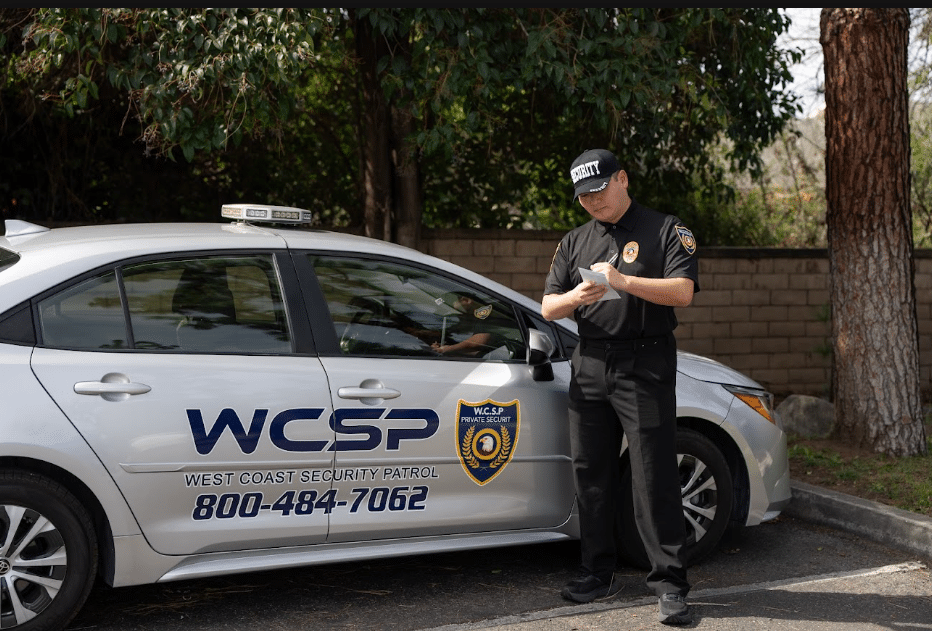
A proper assessment looks at entry points, lighting, blind spots, past incident history, and how the property is actually used at different times of day, not just what it looks like on paper. A property with a history of after-hours break-ins needs a different patrol schedule than one with no history at all, and a facility with high-value inventory needs different documentation standards than one that mostly worries about liability. That level of detail only comes from walking the property in person.
Talking to the people who actually work the property day to day matters just as much as walking it. A front desk employee or a facilities manager usually knows which entrance nobody bothers locking properly, or which stretch of the parking lot people avoid after dark, long before that shows up in any formal incident record.
Matching Coverage Type to Actual Risk
Armed coverage isn’t automatically better than unarmed coverage, and more guards isn’t automatically better than fewer guards placed correctly. The right mix depends on what a property is actually protecting against: theft, liability, trespassing, or something more serious. Armed coverage makes sense for genuinely high-risk sites, while a straightforward unarmed patrol is often the right call for a lower-risk property where deterrence and documentation matter more than a visible show of force.
Coverage hours matter just as much as coverage type. A property with most of its risk concentrated overnight doesn’t need the same staffing during business hours that it needs after everyone goes home, and matching guard hours to when incidents actually happen keeps a plan effective without paying for coverage a property doesn’t need.

Revisiting a Plan as a Property Changes
A security plan built for a property five years ago may not reflect what that property looks like today, especially if it’s expanded, changed tenants, or seen a shift in the surrounding area. A plan worth having gets revisited periodically rather than treated as a one-time setup, since the risks that mattered at signing rarely stay exactly the same for years without anyone checking.
A short annual review, walking the property again and comparing it against the original assessment, usually surfaces what’s changed: a new tenant with different hours, a section of the lot that’s gotten darker since a light burned out, or an incident pattern that’s shifted since the plan was first written.
None of this needs to feel complicated for the client. From their side, it’s usually a single walkthrough and a straightforward conversation about what they’re actually worried about, and the plan that comes out the other end fits the property instead of the other way around.
Start With an Assessment, Not a Package
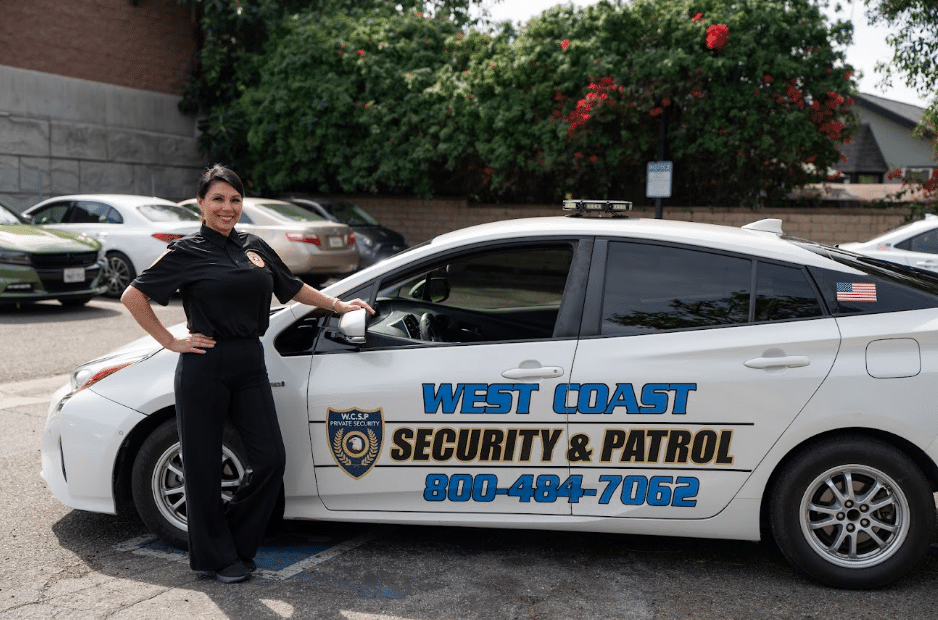
West Coast Security Patrol builds custom security plans for businesses and properties across Los Angeles, Orange, Riverside, and San Bernardino counties, starting with a real site walkthrough every time. We cover everything from armed security assignments to private security patrols to hire a security guard for a party requests for one-off events, all assessed the same way before we recommend a single officer. Talk to us about your property and get a plan built around what your business actually needs, not a template.