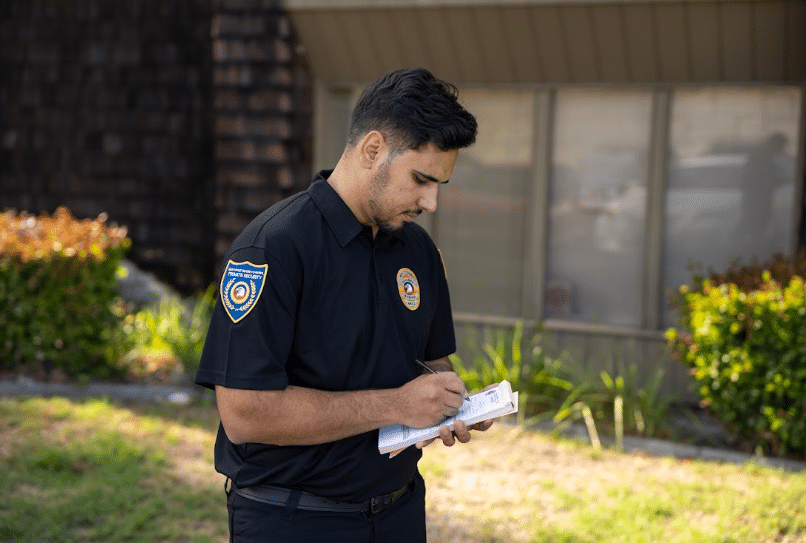

Apartment communities combine private homes with shared entrances, parking areas, mailrooms, hallways, pools, laundry facilities, and visitor spaces. Managers arranging apartment security riverside must protect the wider property without interfering unnecessarily with the normal routines of residents and their guests.
Dedicated apartment security patrol services provide a visible point of contact and repeated observation across those shared areas. Our apartment building security services can include foot patrols, vehicle patrols, access support, incident reports, parking checks, and coordination with property management based on community rules and operating hours.
Shared Spaces Create Community-Wide Security Needs
An individual resident can lock an apartment door, but that action does not address a damaged vehicle gate, propped lobby entrance, dark stairwell, or unauthorized use of an amenity. These conditions affect multiple households and require a property-level response. Patrol officers can identify and report them during routine rounds.
The patrol plan should reflect how people actually move through the property. Morning school departures, delivery periods, evening parking demand, pool hours, and overnight quiet hours may each create different concerns. Management can use incident history and resident feedback to decide which locations and time windows need more attention.
Visible Patrols Discourage Opportunistic Activity
Uniformed officers and marked vehicles make oversight easy to see. That visibility can discourage loitering, vehicle checking, package theft, vandalism, and attempts to follow residents through controlled entrances. Patrol times may vary within agreed windows so the community does not appear un-monitored between predictable visits.
UCLA Police describes patrol as a visible, responsive function that includes checking property and investigating suspicious activity. Private community duties are different from public policing, but the patrol and observation model helps explain why repeated presence can improve deterrence and early detection.
Resident communication can improve the patrol’s effectiveness. Management can explain how to contact security, what information helps officers respond, and which matters still require an immediate 911 call. Residents should not be encouraged to confront suspicious people themselves. A clear reporting process gives the officer timely details while helping the community avoid rumors or repeated calls about ordinary activity.
Parking Areas Need Focused Attention
Parking lots and garages often contain valuable property and provide spaces where people can remain unnoticed. Officers can check lighting, pedestrian doors, vehicle gates, fire lanes, abandoned vehicles, and isolated corners. They can also document broken equipment or repeated access problems for the manager to correct.
Properties using vehicle patrol services in Riverside may benefit from officers who can cover several buildings or large exterior areas efficiently. A vehicle patrol can be combined with foot checks at mailrooms, pools, stairwells, and other places that cannot be observed properly from a car.

Guards Help Apply Community Rules Consistently
Security officers can support approved rules for guest entry, closed amenities, parking permits, pool access, noise complaints, and trespass notices. They should not invent policies or act as property managers. Clear post orders tell them what to observe, what to document, when to issue a reminder, and when to contact management or emergency services.
Consistency matters because residents quickly notice selective enforcement. Officers should use respectful language, record the relevant facts, and avoid escalating routine disagreements. Management should also provide a process for reviewing complaints about security activity and updating instructions when community policies change.
Property managers can improve results by sharing current maps, resident access procedures, towing rules, amenity hours, and emergency contacts. They should also identify recurring concerns without asking officers to profile residents or guests. Regular meetings between management and the security supervisor allow post orders to be corrected when gates, parking arrangements, staffing, or community policies change. That feedback keeps patrol activity connected to actual property needs.
Incident Reports Give Managers Better Information
Security reports can show whether a concern is isolated or recurring. Time, location, photographs, witness details, vehicle descriptions, and actions taken allow managers to identify patterns and decide whether lighting, locks, cameras, gates, landscaping, or staffing need adjustment. Reports should remain factual and protect resident privacy.
Communities considering Private Home Security riverside alongside shared patrols should distinguish between services for individual residences and services for common property. UCLA Police offers crime prevention presentation topics that include personal safety and security surveys, reinforcing the value of combining resident awareness with property-level controls.
Apartment plans should also connect patrol activity to emergency procedures. The OSHA emergency action plan standard addresses reporting and evacuation responsibilities that employers must assign. Residential properties can apply similar planning discipline by giving guards current contacts, assembly information, and clear instructions for fire, medical, and utility emergencies.

Create a Safer Community Without Making It Feel Restricted
Well-managed residential community patrols can improve reassurance and response without making residents feel watched in their own homes. The goal is visible support, consistent boundaries, prompt reporting, and practical attention to shared spaces where property-wide problems often begin.
West Coast Security Patrol provides apartment guards, mobile patrols, and HOA and gated-community security tailored to residential operations. Improve safety across your apartment community with a customized patrol plan that reflects the property’s layout, rules, and resident needs.