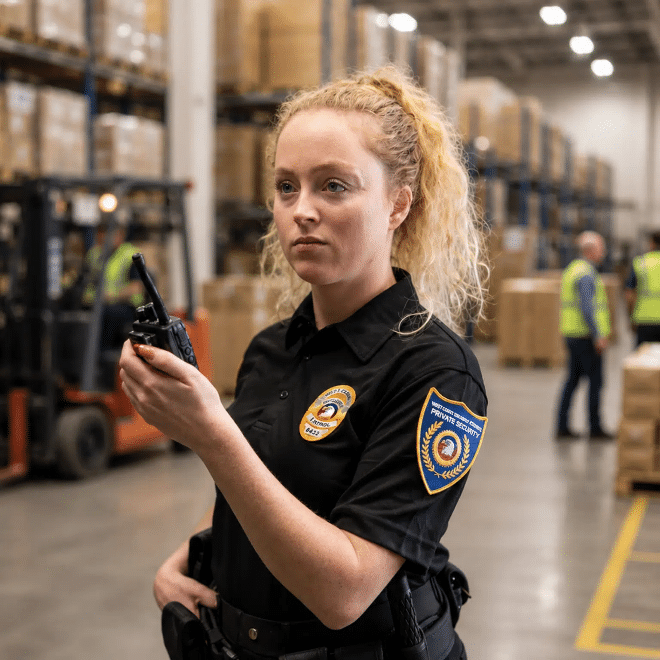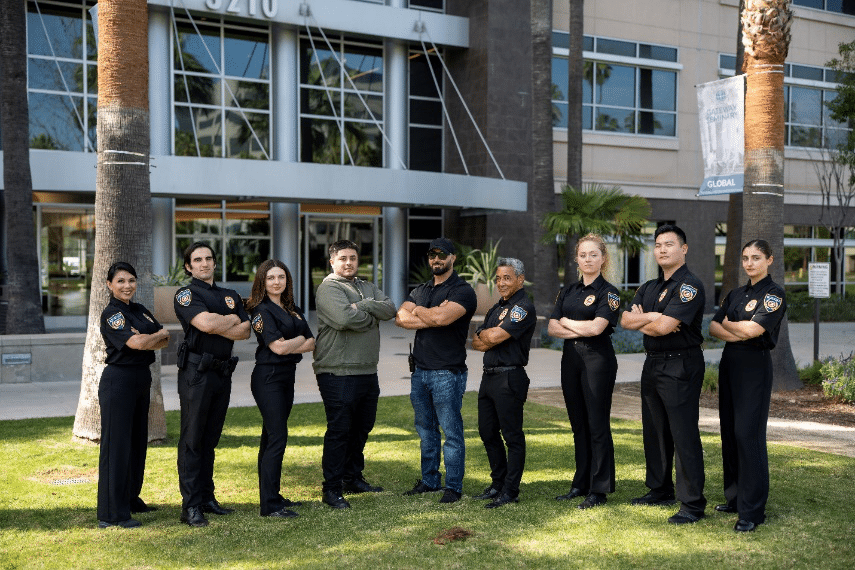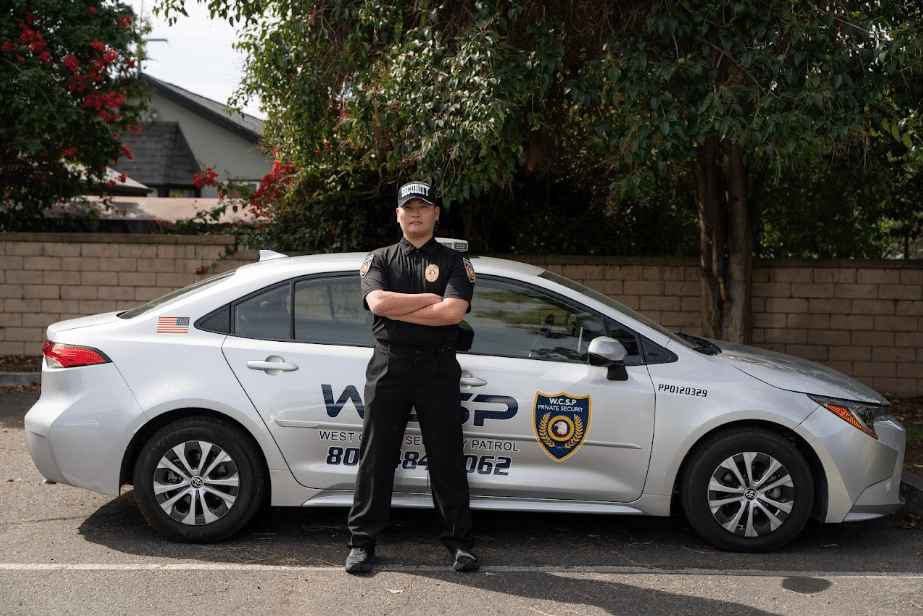

A power outage does more than shut off the lights. Electronic locks can fail open or locked depending on the system, alarm panels lose their normal function, cameras go dark, and any facility relying on badge readers for access control suddenly has no way to control who comes and goes. Reliable business emergency security services exist for exactly this gap, keeping a physical presence on-site when every electronic safeguard a facility normally counts on stops working. Hospitals and care facilities feel this most acutely, and our community hospital security Riverside teams, based in Riverside, train specifically around backup power failure scenarios where continuous coverage isn’t optional.
We provide hospital and health care facility security built around this exact kind of continuity risk, in addition to standard coverage for offices, warehouses, and commercial properties.
What Actually Breaks When the Power Goes Out
Access control is the first system most facilities lose meaningful function on during an outage. Electronic doors, elevators, and parking gates behave unpredictably depending on how they’re wired to fail, and a building that relies entirely on badge readers has no reliable way to keep unauthorized people out until backup power kicks in, if it kicks in at all. Ready.gov’s guidance on power outage preparedness points out how quickly a short outage can cascade into a longer operational disruption once refrigeration, security systems, and communications are all affected at once.
Backup generators buy time, not certainty. They’re built to keep critical systems running, not necessarily every door lock and camera on the property, and a facility that assumes its generator covers everything is often surprised to find gaps in exactly the systems it was counting on most during an outage.

Why a Physical Presence Matters More, Not Less, During an Outage
A guard on-site during an outage does what the electronic systems temporarily can’t: physically check doors, verify who is entering a building, and stay reachable when phone systems tied to internet service go down along with everything else. That physical presence also reassures employees and customers who are already dealing with a disrupted workday, since an unlit building with nobody visibly managing it tends to create more panic than the outage itself.
A guard can also serve as the single point of contact when normal communication channels are down, directing employees toward a safe exit, relaying updates from a facility manager who’s off-site, or simply confirming to arriving staff whether the building is safe to enter at all. That kind of coordination is easy to take for granted until the systems that normally handle it stop working.
Coordinating With a Facility’s Business Continuity Plan
Most continuity plans focus on data backups and communication trees but leave out who physically secures the building while systems are down. Ready.gov’s business continuity plan framework recommends identifying essential functions and the resources needed to keep them running, and physical security coverage belongs on that list alongside IT recovery and staff communication. A guard briefed on a facility’s continuity plan knows which areas need priority coverage and which can wait until power is restored.
That prioritization matters because not every area of a facility carries the same stakes during an outage. A server room, a pharmacy, or a room full of climate-sensitive inventory needs eyes on it immediately, while a break room or an empty conference space can reasonably wait until the rest of the building is confirmed secure.

Planning Coverage Before the Next Outage, Not During It
Rolling blackouts, grid strain during heat waves, and equipment failures are common enough across Southern California that a facility should plan continuity coverage in advance rather than scrambling to find a guard once the lights are already out. Hospitals, data-dependent offices, and any facility running refrigerated or climate-sensitive inventory carry the highest stakes, and arranging coverage ahead of time matters most for facilities where an unsecured entrance during an outage is a genuine patient safety issue, not just a property risk.
A facility that has already worked out who covers which entrance, how long backup generators realistically last, and when it’s time to call in extra coverage spends the actual outage executing a plan instead of making decisions on the fly while everything else on-site is also going wrong at once.
None of this needs to be complicated. A short conversation ahead of time about how a facility’s backup power actually behaves, which entrances and rooms carry the most risk if it fails, and how long that backup is realistically expected to last, is usually enough to build a coverage plan that holds up when the lights actually go out.
Keep Your Facility Covered When the Power Doesn’t
West Coast Security Patrol provides continuity-focused coverage for hospitals, offices, and commercial facilities across Los Angeles, Orange, Riverside, and San Bernardino counties. We staff hospital security guard Riverside assignments built around backup power scenarios, armed hospital security coverage for higher-risk facilities, and standard security guards for hire coverage for any facility that needs a documented physical presence when its electronic systems go down. Get in touch to build outage coverage into your facility’s continuity plan before the next one hits.