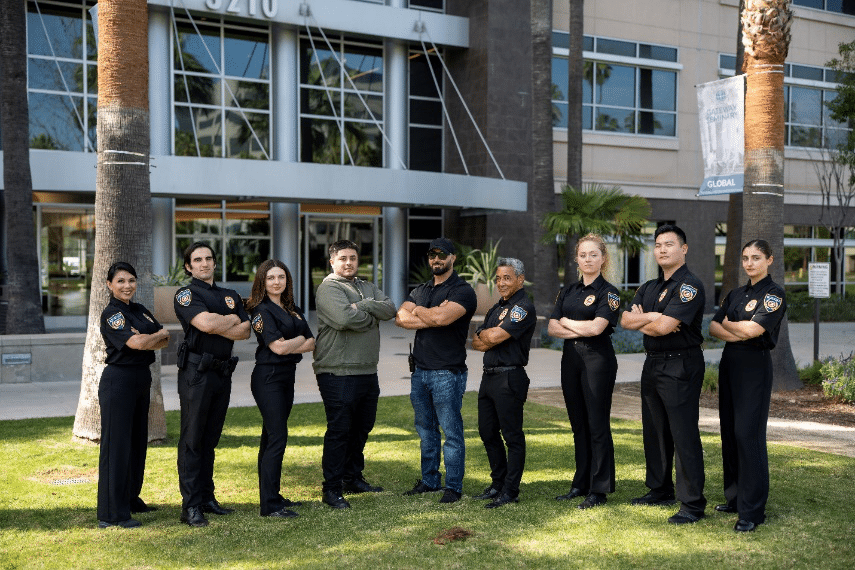
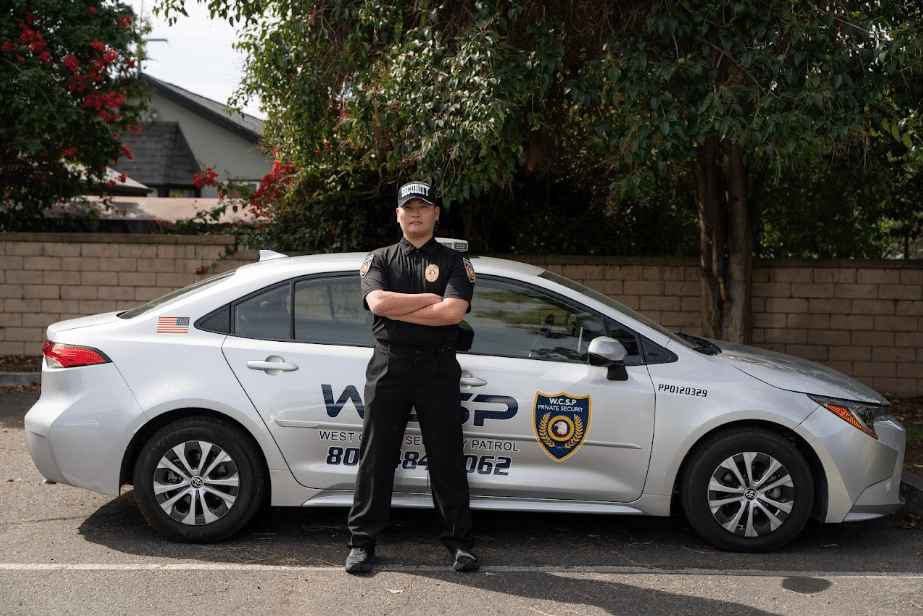
A manufacturing plant rarely has a single, quiet entrance. Contractors, equipment vendors, delivery drivers, and corporate visitors all move through the same site on a given day, often with different levels of training on the hazards specific to that floor, and a plant that treats every one of them the same way is already behind. Structured manufacturing facility security services exist to manage that traffic before it becomes a safety incident or a security gap, verifying who is on-site and why rather than letting visitors wander in unescorted. Bringing in executive protection security in Riverside for corporate visits or plant tours adds another layer when the visitors themselves carry added risk.
We provide industrial security services that include visitor and contractor management as a standard part of plant coverage, not an add-on.
It’s also a first-impression issue. A vendor or corporate visitor who’s greeted by a clear, professional check-in process forms a very different opinion of a plant’s overall operation than one who wanders through a side door looking for someone to direct them, and that impression shapes how seriously outside partners take the facility’s other safety practices too.
Why Visitor Management Is a Safety Issue, Not Just a Security One
Manufacturing floors carry hazards a typical office visitor has no training to recognize: moving equipment, forklift traffic, chemical storage, and restricted zones that aren’t obvious to someone walking through for the first time. OSHA’s guidance on coordination between host employers and contractors makes clear that communicating hazards to anyone entering a shared worksite is a shared responsibility, not something that can be assumed away. An unescorted vendor wandering toward the wrong area isn’t just a security lapse, it’s a real injury risk.
What a Managed Visitor Process Actually Looks Like
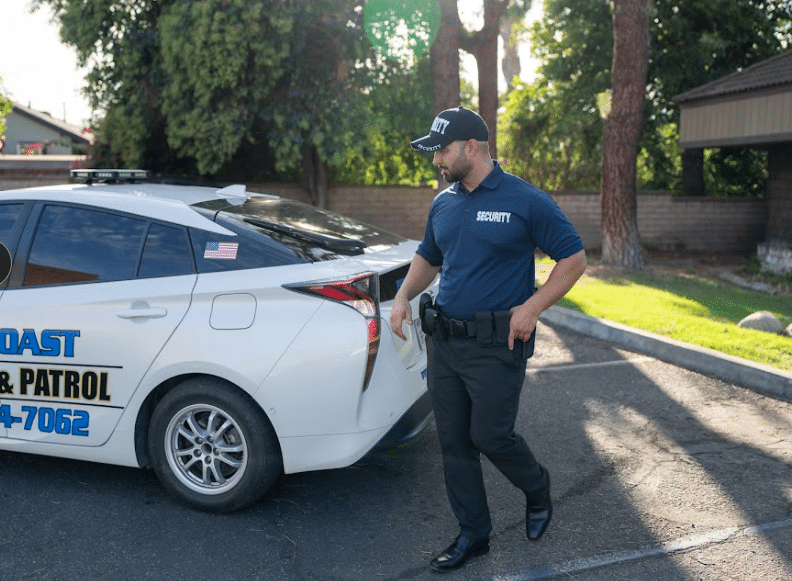
A guard managing plant access checks every visitor against an expected schedule, confirms the purpose of the visit, issues a visitor badge, and either escorts them directly or hands them off to the specific employee expecting them. Deliveries and equipment vendors get checked against purchase orders or work tickets, not just waved through because a truck showed up on time. Every entry gets logged, which gives plant managers a record of who was on-site on any given day, something that matters after an incident just as much as during normal operations.
Escort requirements vary by area, and a well-run process reflects that instead of applying one blanket rule to the whole site. A vendor delivering to a loading dock rarely needs the same level of supervision as someone walking through an active production line, and matching the escort level to the actual area being accessed keeps the process from slowing down deliveries that don’t need it.
Coordinating With OSHA’s General Industry Standards
Manufacturing facilities already operate under OSHA’s General Industry standards, which cover everything from machine guarding to hazard communication. A visitor management program that plugs into those existing safety protocols, rather than running as a separate security-only process, tends to catch more genuine risks. A guard briefed on a plant’s specific hazard zones can flag a visitor heading toward a restricted area for the wrong reason just as easily as one heading there for the right one.
Contractors Bring Their Own Layer of Risk
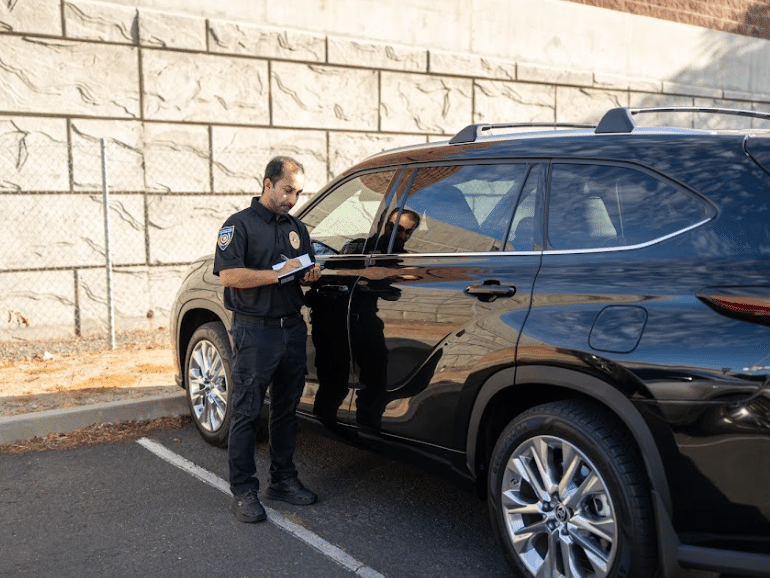
Contractors working on-site for days or weeks at a time need a different level of access than a one-time delivery driver, and treating every visitor the same way creates gaps either too loose for a stranger or too rigid for a trusted long-term vendor. A tiered visitor process, where regular contractors get streamlined check-in while unfamiliar visitors get closer verification, keeps the process efficient without loosening it where it matters most.
Long-term contractors also tend to accumulate access over time in ways nobody tracks closely, a badge that never got deactivated after a project wrapped, or a gate code shared with a subcontractor’s subcontractor. Periodically reviewing who actually still needs access closes gaps that build up quietly over months rather than appearing all at once.
What Happens When Visitor Logs Aren’t Kept
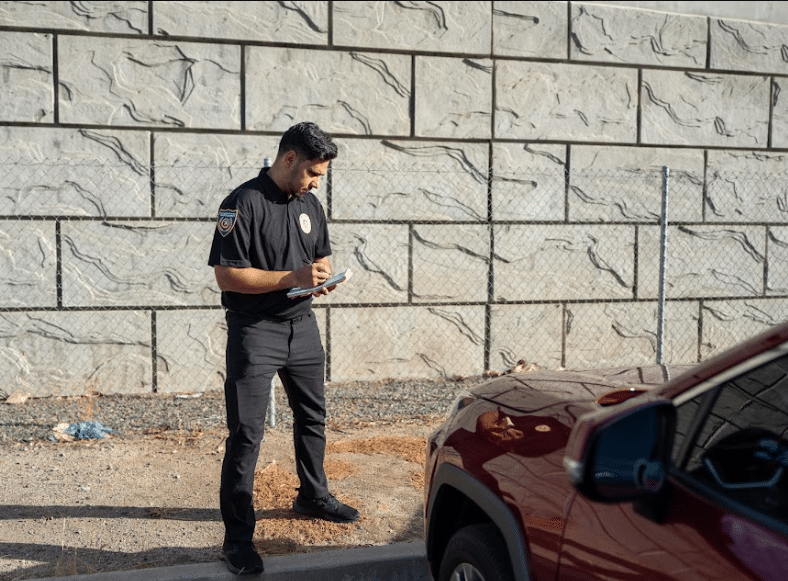
A plant that doesn’t track who’s on-site loses more than a security record. After an equipment malfunction, a missing tool, or a workplace injury, one of the first questions is who was in the area at the time, and a facility without a reliable visitor log has no fast way to answer that. It also complicates insurance and liability conversations, since an incident involving a vendor who technically was never checked in is a harder claim to sort out than one with a clear, timestamped record of exactly who was where.
A well-run process ends up feeling routine to the people who move through it regularly, and that’s the point. Visitors and contractors get where they’re going quickly, plant staff aren’t interrupted to escort every delivery, and the record it leaves behind is there whenever it’s actually needed.
Manage Every Visitor Before They Reach the Floor
West Coast Security Patrol manages visitor and contractor access for manufacturing plants and industrial properties across Los Angeles, Orange, Riverside, and San Bernardino counties. We also provide private security service Riverside for general plant coverage and commercial security guards for office and administrative buildings on the same campus, all held to the same security guards licensing standard. Talk to us about plant access control and get a visitor management process built around your facility’s actual layout.