
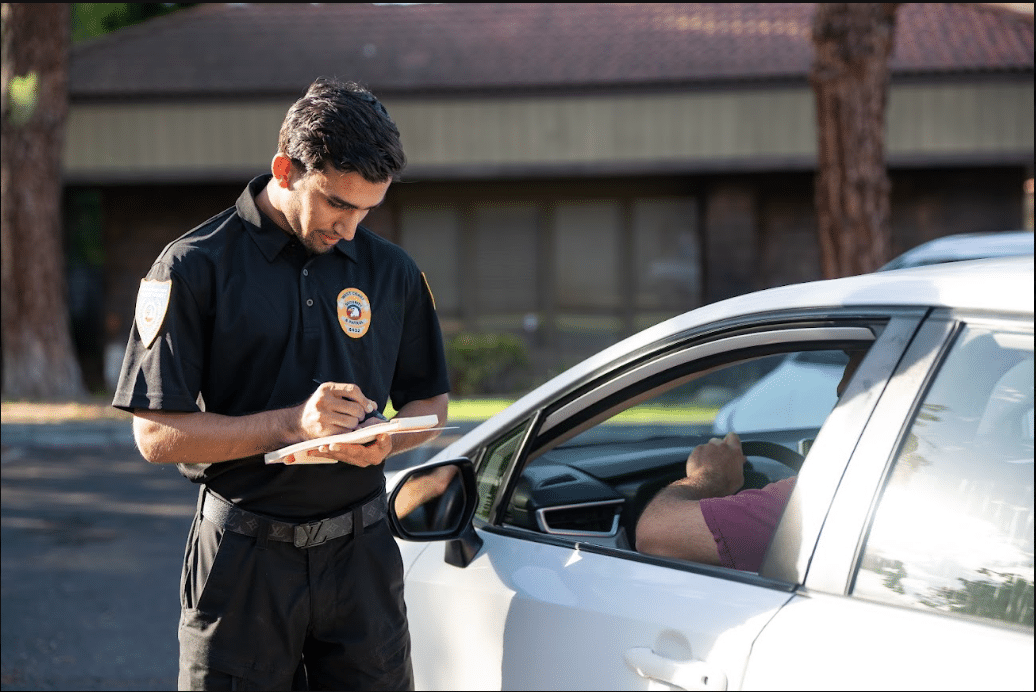
Access control is the process of deciding who may enter a building, where that person may go, and how long the access remains valid. Businesses seeking private security for hire in Riverside often need officers who can apply those decisions consistently while treating employees, visitors, vendors, and delivery drivers professionally.
Effective commercial access control security combines technology with human judgment. Our commercial building security services can support reception posts, credential checks, gate access, visitor logs, patrols, and incident reporting so a locked door or electronic badge is connected to a clear response process.
Unauthorized Entry Often Looks Ordinary
Not every unauthorized visitor forces a door. People may follow an employee through an entrance, borrow a badge, claim to be making a delivery, enter through a loading dock, or return after their access should have ended. Busy staff may allow the person through because the interaction appears routine.
Access procedures should account for these social situations, not only technical failure. OSHA identifies customers, clients, visitors, and other members of the public among the possible sources of workplace violence. Its workplace violence guidance supports assessing who can enter, where employees interact with the public, and how concerns are reported.
Guards Add Human Judgment to Access Technology
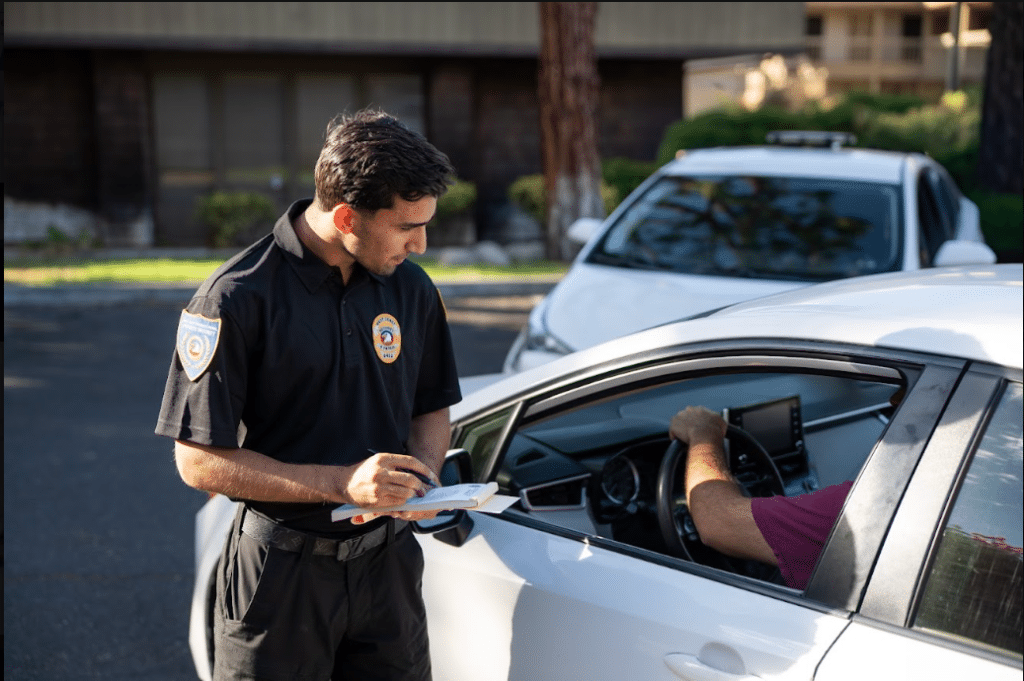
Electronic systems can confirm whether a credential is active, but they may not explain why someone is using it at an unusual time or trying to bring another person through the door. A guard can compare identification, ask who the visitor is meeting, contact the host, and deny access when required information is missing.
Companies using security guards for hire in Los Angeles should provide site-specific instructions for expired badges, forgotten credentials, after-hours access, former employees, emergency contractors, and system outages. Officers should not make arbitrary exceptions simply because a visitor appears confident or claims that someone inside will approve entry later.
Visitor Management Protects People and Sensitive Areas
A visitor process may include pre-registration, sign-in, identification checks, temporary badges, host confirmation, escorts, and sign-out. Delivery drivers may need a separate route from clients or interview candidates. These steps create accountability and reduce the chance that a visitor reaches offices, storage, server rooms, or employee-only areas without authorization.
NIST publishes a catalog of security and privacy controls that organizations can adapt to their risks and operations. Its physical access control framework is primarily designed for information systems and organizations, but it reinforces the broader principle that access permissions, monitoring, records, and review should work together.
The process should also address visitors who need accommodations, recurring contractors, large interview groups, and deliveries that arrive outside normal hours. Exceptions should be planned instead of improvised at the desk. A temporary access list can include the approving manager, valid dates, permitted areas, and escort requirements. When the information is complete, guards can process legitimate visitors efficiently while maintaining the same standard for everyone.
Restricted Zones Need Clear Rules
Commercial buildings often contain areas that require tighter controls than the lobby. Examples include cash offices, records rooms, loading docks, mechanical spaces, laboratories, executive suites, and network equipment rooms. Signs and locked doors help, but employees must understand that courtesy does not require holding a restricted door for an unknown person.
Guards can conduct patrols, check doors, verify service personnel, and report repeated attempts to enter protected spaces. Managers should identify who can approve access and how long temporary permissions last. A clear process prevents the officer from relying on personal familiarity or informal messages that cannot be verified.
Employees also need a simple way to report a lost badge, propped door, suspicious visitor, or repeated access problem. Fast reporting allows the guard post and system administrator to respond before the same weakness is used again. Routine reminders can keep access control visible without turning every policy message into a disciplinary warning.

Access Procedures Must Change with the Business
An access plan can become outdated after a renovation, tenant change, staff reduction, new shift, vendor contract, or change in opening hours. Deactivated badges, updated lists, revised entrances, and new emergency contacts should reach the security post promptly. Periodic testing can reveal whether staff still follow the expected procedures.
Businesses using security guards in Los Angeles should review incidents and near misses rather than waiting for a serious breach. Cal/OSHA’s workplace security model program recommends periodic inspections and reassessment when new processes or hazards arise. That same habit improves physical access rules.
Access control also depends on employee habits. A costly badge system cannot prevent tailgating if staff routinely hold doors for unfamiliar people or share credentials for convenience. Short reminders, supervisor support, and a respectful challenge process help employees follow the rules. Guards should be able to verify exceptions quickly so legitimate work continues without weakening the standard.
Control Entry Without Creating Unnecessary Friction
Professional visitor access monitoring should make legitimate entry clear and efficient while creating firm boundaries for people who cannot be verified. Consistent procedures protect employees and assets without asking guards to treat every guest as a threat.
West Coast Security Patrol provides lobby personnel, gate officers, patrols, and professional unarmed security guards for commercial properties. Control unauthorized entry with a site-specific access staffing plan built around your building, visitors, and operating schedule.