A company with several offices, stores, warehouses, yards, or vacant units may not need a permanent guard at every address. Businesses using vehicle patrol services in Riverside can concentrate security activity around the hours and locations where repeated checks provide the greatest practical value.
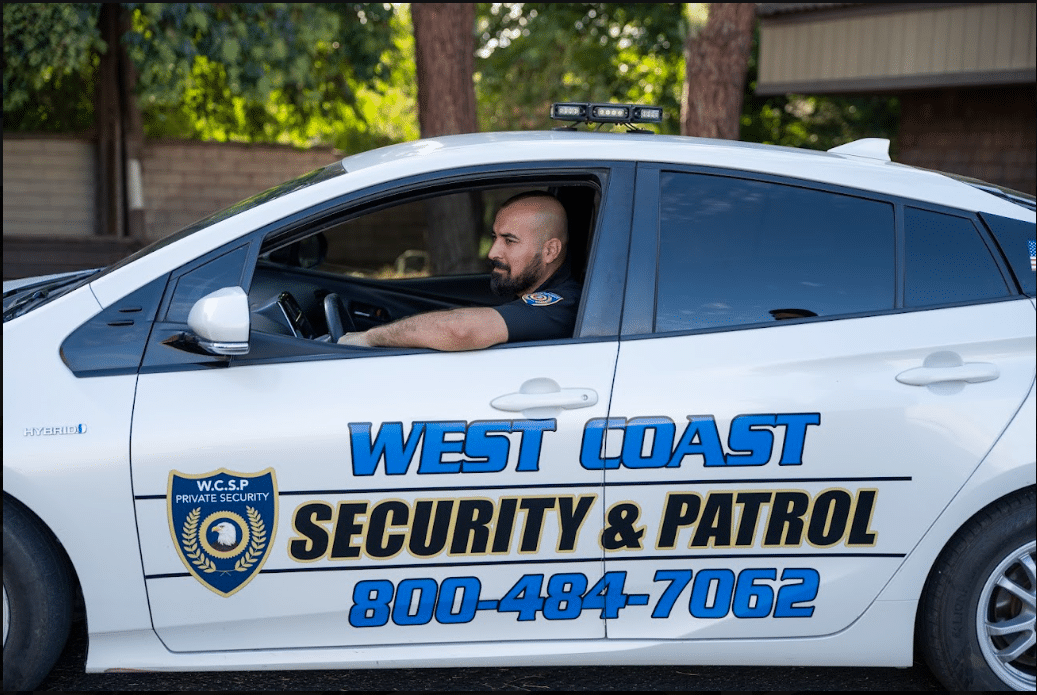
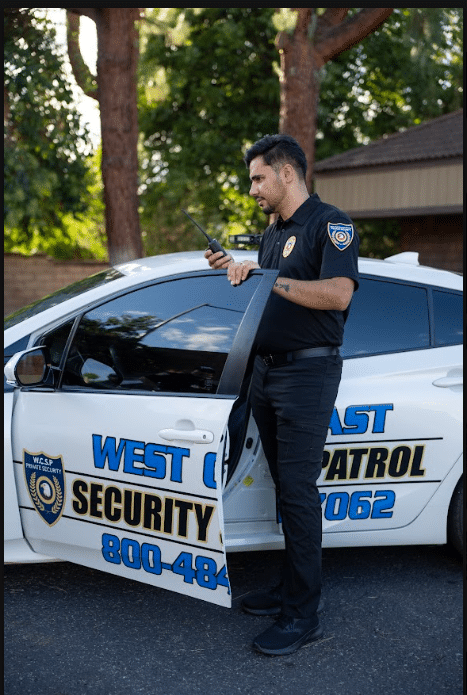
Professional mobile security patrol services combine visible patrol vehicles, property inspections, electronic reports, and agreed response procedures. Our vehicle patrol service can cover multiple locations with site-specific instructions for doors, gates, parking areas, alarms, equipment, lighting, and management notifications.
Different Properties Rarely Face Identical Risks
A retail store may need closing checks, while a warehouse may require gate and loading-dock inspections. An office may be most exposed overnight, and a vacant unit may need checks for forced entry or water damage. Treating every address the same can waste patrol time and overlook the most relevant conditions.
A portfolio plan should identify each site’s operating hours, authorized contacts, alarm procedures, high-value areas, access points, and recent incidents. The provider can then set different visit windows and checklists while maintaining one reporting structure for the organization.
Mobile Coverage Avoids a Permanent Post at Every Site
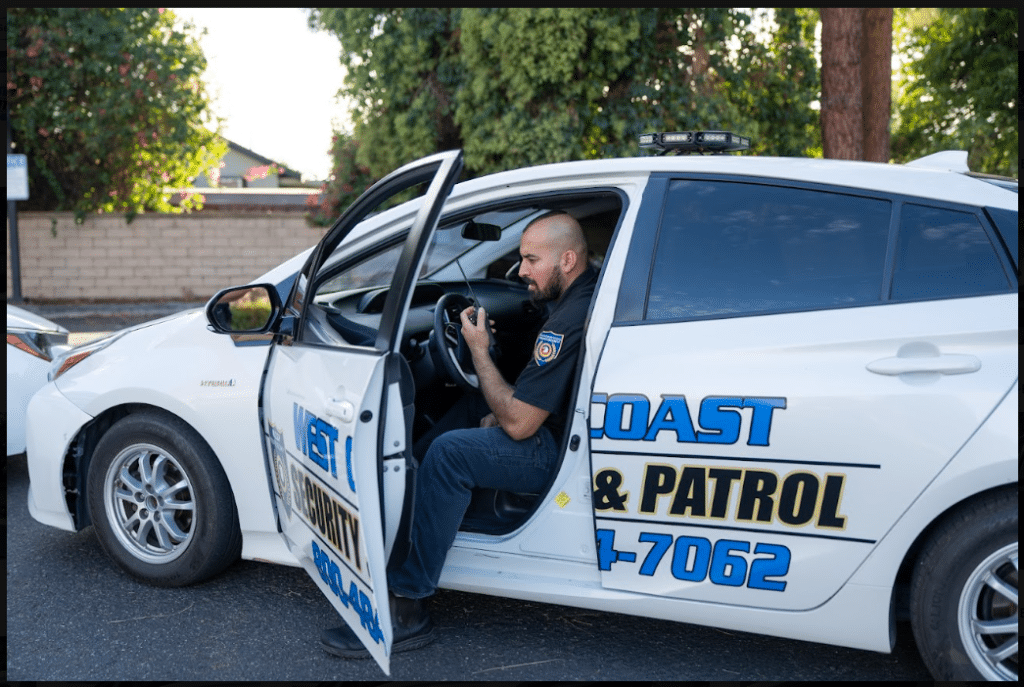
With multi-site mobile patrols, officers travel between properties and complete defined tasks at each stop. These may include exterior rounds, lock checks, opening or closing support, parking observations, alarm response, and contact with employees working late. The model can supplement cameras and alarms without requiring continuous staffing everywhere.
UCLA Police describes patrol officers as a visible, mobile resource that checks property, responds to calls, and investigates suspicious activity. Private patrols have different authority, but the mobile patrol function helps explain why an officer who can move between locations adds a response element that fixed equipment cannot provide.
Irregular Timing Makes Patrol Activity Less Predictable
A patrol that arrives at exactly the same minute every night can become easy to observe. Where service agreements allow, visits can vary within set windows while still meeting required checks. The aim is not randomness without accountability. It is visible activity that does not advertise a long, guaranteed absence between visits.
Electronic verification can record arrival time, location, completed checkpoints, photographs, and notes. Managers can review whether coverage occurred and whether the officer found a condition that needs maintenance, police response, or a change to the patrol instructions.
Patrol windows should still be realistic. Excessive travel between distant properties can reduce inspection quality and create missed visits. Route design should account for traffic, site size, required walking checks, report completion, and possible calls for service so officers have enough time to perform each assignment properly.
Every Visit Should Produce Useful Information
A useful patrol report goes beyond saying that everything was fine. It should identify which doors, gates, lots, or exterior areas were checked and note changes such as broken lights, damaged locks, unfamiliar vehicles, open windows, vandalism, leaks, or people remaining after hours.
Cal/OSHA’s workplace security model program recommends periodic inspections and reassessment when new conditions arise. Mobile reports can help a business recognize repeated concerns across several sites and decide whether one property needs stronger lighting, access changes, camera repair, or temporary standing coverage.
Managers can make reports more useful by defining a small number of required checkpoints for each location. One site may prioritize a rear gate and generator enclosure, while another needs checks at a cash office entrance and employee parking lot. The officer can complete those mandatory tasks and still report unexpected conditions elsewhere. This structure makes performance easier to review without reducing patrol work to a box-checking exercise.
Escalation Procedures Turn Observation into Action
Each site should have a current contact order and clear instructions for alarms, forced entry, fire, medical emergencies, employee lockouts, and maintenance problems. Officers need to know when to observe from a safe position, when to call emergency services, and when to notify management without entering a potentially dangerous area.
A location using armed security guards in Moreno Valley may require different post orders from a low-risk office receiving periodic checks. The U.S. Fire Administration’s vacant-building guidance recommends repeated patrol and attention to changing conditions, principles that also support responsible oversight of temporarily unused business sites.
A mobile officer should not enter a building that shows signs of forced entry unless the approved procedure and circumstances make it safe to do so. Observation from a protected position, accurate descriptions, and prompt police notification may be the correct response. Managers should define these boundaries in advance so the officer is not pressured to take unnecessary risks merely to complete an interior checkpoint.
Coordinate Protection Across the Portfolio
Well-designed randomized property inspections create visible oversight, consistent records, and flexible coverage across multiple addresses. The service works best when every site has its own priorities while management receives one clear view of activity and unresolved concerns.
West Coast Security Patrol provides GPS-supported patrol activity and Riverside County security coverage for businesses with varied property needs. Coordinate a multi-location patrol schedule that directs security attention to the right place, task, and time.