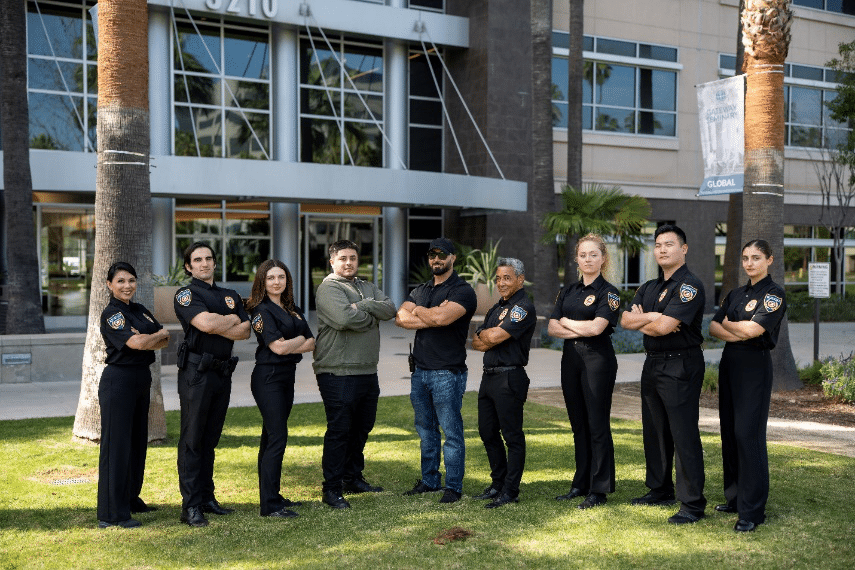

Workplace violence is not limited to a physical attack. It can begin with threats, intimidation, aggressive arguments, harassment, repeated unwanted visits, or behavior that makes employees fear for their safety. Organizations seeking community hospital security Riverside face many of the same challenges found in offices, public facilities, and customer-facing workplaces.
Effective workplace violence prevention security combines trained people, clear policies, reporting channels, and site-specific response procedures. Our healthcare facility security services illustrate how officers can monitor public access, support staff, document concerns, and respond to developing incidents without replacing management, human resources, or law enforcement.
Early Warning Signs Often Appear Before Physical Violence
Many incidents are preceded by observable behavior such as verbal threats, fixation on a grievance, repeated confrontations, attempts to enter restricted areas, or a sudden change in conduct. A trained guard may notice these signs at a reception desk, parking area, employee entrance, or waiting room and report them before the situation becomes more serious.
No officer can predict every act of violence, and unusual behavior should not automatically be treated as a threat. OSHA defines workplace violence broadly and identifies risk factors that employers can address through prevention programs. Its workplace violence guidance supports a structured approach based on recognized hazards rather than assumptions.
A Visible Security Presence Can Change Behavior
Uniformed guards provide a clear signal that workplace rules are being monitored. Their presence can discourage people from bypassing reception, confronting employees in isolated areas, or returning after being asked to leave. Employees may also feel more comfortable reporting a concern when they know someone is available to respond.
In a community hospital security in Riverside setting, visibility must be balanced with courtesy because patients and visitors may already be under stress. The same principle applies to other workplaces. Officers should remain approachable, avoid unnecessary confrontation, and use professional communication before stronger intervention becomes necessary.
Employees also need to understand what guards can and cannot do. Staff should know how to contact the officer, where to report concerning behavior, and when to call emergency services directly. Management should avoid treating security as a substitute for supervisor action or employee support. A strong prevention program gives workers several reporting options and protects them from retaliation when they raise a good-faith concern about threats, harassment, or unsafe conduct.
De-escalation Creates Time and Distance
De-escalation is not simply speaking softly. It involves observing body language, keeping a safe distance, using clear instructions, avoiding provocative language, separating involved people, and calling for additional help when the situation exceeds the officer’s authority. The goal is to reduce immediate pressure while protecting employees and bystanders.
California employers covered by current rules must maintain a written workplace violence prevention plan and provide training. Cal/OSHA’s general-industry workplace violence resources emphasize hazard identification, incident reporting, employee involvement, and corrective measures. Guards can support those elements when their duties are integrated into the plan.

Access Control Keeps Developing Threats Away from Employees
Access procedures are especially important after a termination, restraining order, domestic dispute, or repeated visitor problem. Guards can verify appointments, check badges, watch secondary entrances, escort authorized visitors, and contact supervisors when someone refuses to follow the building’s rules. Updated photographs and written instructions reduce uncertainty at the post.
Some organizations consider armed hospital security in Riverside or armed coverage for another high-risk site. That decision should follow a careful risk assessment, legal review, and clear use-of-force policies. Armed personnel are not a substitute for reporting systems, environmental controls, employee training, or communication with local emergency services.
Managers should rehearse how the post will receive urgent updates. A guard cannot apply a termination alert, visitor restriction, or safety notice that never reaches the desk. Time-sensitive instructions should use a confirmed communication channel and include the affected entrance, duration, approving manager, and action expected from the officer.
Documentation Strengthens the Prevention Program
Incident reports help management identify recurring locations, times, individuals, or triggers. Useful reports record what was observed, who was notified, what action was taken, and whether medical or police assistance was requested. They should remain factual and avoid unsupported conclusions about a person’s motives or condition.
Cal/OSHA’s workplace security model program recommends periodic inspections, investigation of injuries or threats, and correction of identified hazards. Security reports can contribute practical evidence for those reviews, especially when officers consistently document near misses and policy violations instead of recording only major incidents.
A post-incident review should look beyond whether the officer followed instructions. Management can ask whether employees knew how to request help, whether access information was current, whether cameras covered the relevant area, and whether the response protected bystanders. The purpose is not to assign blame automatically. It is to improve the plan before a similar warning sign or conflict appears again.

Build Prevention Around People, Policies, and Trained Response
Professional hospital security services in Riverside demonstrate how security works best as one part of a larger prevention system. Visible officers, controlled access, de-escalation, reporting, and emergency coordination give employers more options before a developing concern reaches a crisis point.
West Coast Security Patrol provides armed and professional unarmed guards for healthcare, commercial, residential, and event environments. Strengthen your workplace prevention plan with site-specific security support that reflects your people, property, and operating hours.