
A construction site is fully staffed and watched for maybe ten hours a day. The other fourteen, plus weekends, it usually sits empty with tools, machinery, and building materials worth far more than most people realize left behind fences that a determined thief can cut through in minutes. Construction site security coverage exists specifically to cover those unwatched hours, and a building site security guard posted through the highest-risk phases of a project catches problems long before a morning walkthrough would.
We provide construction site security built around the way active job sites actually change week to week, since a framed shell in month two looks nothing like the same site with finish materials staged in month eight.
What Gets Stolen From Job Sites, and Why
Copper wiring and pipe are the most commonly targeted materials on active sites because they are quick to strip and quick to sell. Power tools, generators, and small equipment are close behind, since they are portable and rarely serialized in a way that makes recovery likely. Larger equipment theft is less frequent but far more expensive per incident, and vandalism tends to follow the same pattern as theft: it shows up on sites that already look unwatched. A chained gate and a plywood fence slow down an opportunist for a few minutes. They do very little against someone who has already decided the site is worth the risk.

OSHA Rules Still Apply After the Crew Goes Home
Construction remains one of the more dangerous industries even when no work is happening. OSHA’s Focus Four hazard categories, covering falls, caught-in or -between hazards, struck-by incidents, and electrocution, do not disappear after hours. An unsecured site can put a trespasser, a curious neighbor, or even emergency responders at real risk, and a security guard managing access after hours reduces that liability exposure right alongside the theft risk. Fire safety on active job sites is its own concern too. NFPA 241 governs fire safeguards during construction and often requires documented fire watch coverage whenever hot work or temporary systems raise the risk beyond what a finished building would carry.
What Coverage Actually Looks Like on an Active Site
A construction site security assignment usually combines a standing guard during vulnerable phases, like when materials are freshly delivered, with mobile patrols that sweep the property on an irregular schedule so the timing itself is not predictable. Guards manage access for late-arriving subcontractors and deliveries, walk the perimeter, and secure tool lockups and material laydown areas each night. Every incident, from a propped gate to a suspicious vehicle idling nearby, gets logged and reported the same shift it happens, not the next morning. Site security in Riverside and across our Southern California coverage area typically starts with a walkthrough to identify a project’s specific weak points before the first patrol ever begins.
Coordinating security with the site superintendent matters more than it might seem. A guard who knows the week’s delivery schedule, which subcontractors are expected on-site, and where the highest-value materials are staged can tell the difference between a scheduled late delivery and something that needs an immediate call. That kind of coordination usually starts with a short walkthrough at the beginning of an assignment and a direct line to the superintendent for anything that falls outside the normal routine.

Matching Coverage to the Project Timeline
A site’s risk profile changes as a project moves forward. Early excavation and framing phases carry less theft risk but more liability exposure from an open, unfenced lot. Once materials and finish equipment start staging on-site, theft risk climbs sharply, which is usually when construction site security guard coverage needs to scale up rather than stay flat for the life of the project.
General contractors also have to answer to their own insurance carriers and, on public or larger private jobs, to owners who expect a documented security plan as part of the project file. A verbal assurance that “someone checks on it” rarely satisfies either audience. A logged patrol schedule, incident reports tied to specific dates and times, and a licensed provider’s certificate of insurance give a contractor something concrete to produce if a claim or a safety review ever calls for it.
Seasonal and regional factors shift the picture too. Job sites in the Inland Empire and across San Bernardino County often sit on larger, more exposed lots than urban infill projects in Los Angeles or Orange County, which changes how a patrol route gets planned. A tightly fenced urban lot might only need a couple of standing checkpoints, while a sprawling suburban site calls for a full perimeter sweep on every round. Matching the coverage plan to the actual footprint of a site, rather than applying the same fixed patrol to every project, is usually what separates a security plan that works from one that just looks good on paper.

Keep Your Job Site Covered From Groundbreak to Final Walkthrough
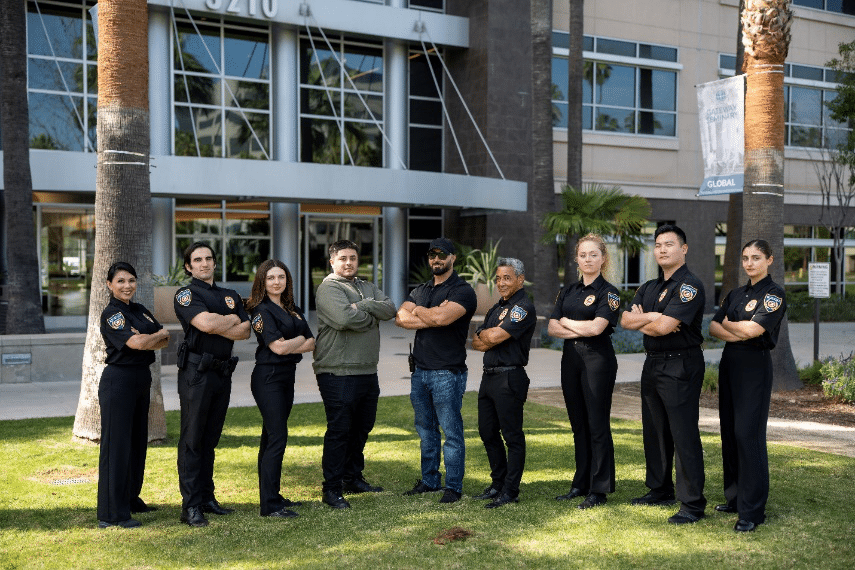
West Coast Security Patrol has covered active construction sites throughout Los Angeles, Orange, Riverside, and San Bernardino counties. Every officer we place is a licensed construction site security guard Riverside contractors can count on, whether the assignment calls for unarmed security guard service riverside during framing or armed security los angeles coverage once high-value finish materials are staged on-site. Get a security plan for your job site before the next phase of materials gets delivered.