Hotels welcome guests, visitors, vendors, delivery drivers, event attendees, and staff throughout the day. Properties using private security in Los Angeles must balance this open atmosphere with the need to protect guest floors, employee areas, parking facilities, meeting rooms, and building systems.
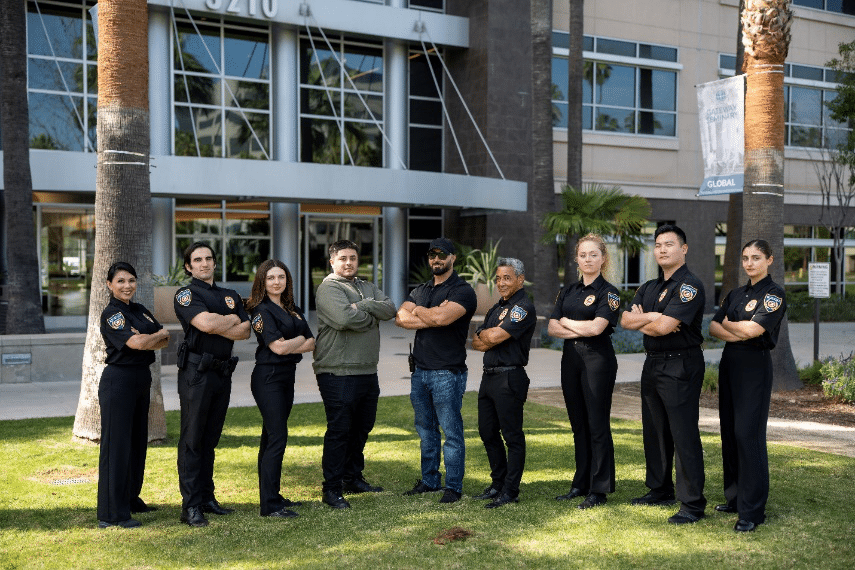
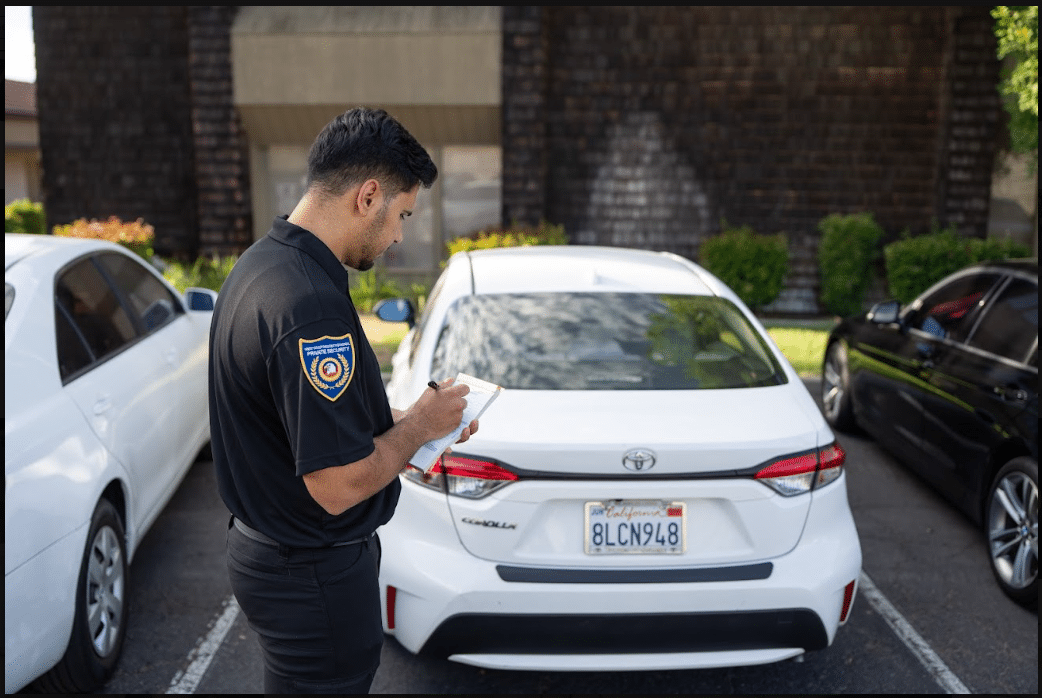
Professional hotel security guard services give the property personnel whose primary responsibility is observation, response, and safety support. Our professional security services include armed and unarmed officers, patrols, access control, and incident reporting that can be tailored to hospitality operations.
Hotels Combine Public Access with Private Guest Areas
A lobby is designed to feel welcoming, yet elevators and corridors lead toward rooms where guests expect privacy. Restaurants, bars, conference rooms, pools, gyms, loading areas, and back-of-house corridors create additional movement. Security officers can watch for people who appear to be following guests or entering spaces without a clear purpose.
The goal is not to question every person in the building. Officers should understand normal activity, observe unusual behavior, and use the hotel’s procedures to verify concerns. Coordination with front desk and housekeeping teams is valuable because those employees often notice changes first.
Front Desk Teams Cannot Leave Their Posts for Every Incident
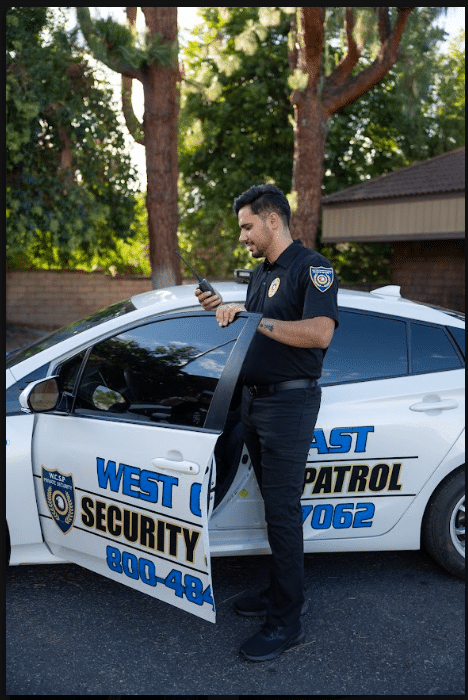
Front desk employees manage check-ins, phones, reservations, keys, payments, guest requests, and complaints. Leaving the desk to investigate a parking dispute, noise problem, or unauthorized visitor can interrupt service and expose the lobby. A security officer can respond while the desk remains staffed.
Some properties consider armed security guards in Los Angeles because of location, cash handling, prior incidents, or high-profile guests. Armed coverage should follow a documented risk assessment and clear policies. Many hotels may be better served by trained unarmed officers who can de-escalate, observe, report, and summon law enforcement when needed.
Professional Guards Support Calm Incident Management
Hotels may encounter intoxicated guests, domestic disputes, unwanted visitors, harassment reports, theft complaints, welfare concerns, or people refusing to leave. Officers can separate parties, move the discussion away from crowded areas, contact management, preserve relevant information, and request emergency assistance when the situation becomes unsafe.
OSHA recognizes threats, harassment, intimidation, and disruptive behavior within its broad definition of workplace violence. The agency’s workplace violence overview can help hotel managers consider risks to employees who interact with the public, work alone, handle money, or provide services during late hours.
Hotel staff and guards should agree on how guest privacy will be protected during an incident. Discussions should be moved away from public areas where possible, reports should contain only relevant facts, and room information should not be shared with unauthorized people. Security may also help preserve camera references or witness details for management. A measured process protects guests while giving the hotel useful information for follow-up.
Overnight Hours Bring Different Operational Risks
Hotel staffing often becomes lighter overnight even though guests continue to arrive, leave, request assistance, and use common areas. Side entrances, parking lots, loading areas, stairwells, and employee departure routes may receive less natural observation. Patrols can give these spaces regular attention without pulling the night auditor away from the desk.
Properties evaluating armed security guards in Riverside or another staffing model should consider the actual overnight incident history and surrounding conditions. Officers also need training on hotel-specific procedures. OSHA notes that education should cover workplace hazards, emergency actions, reporting, and assigned roles through its safety education guidance.
A night security plan should include staff check-ins, lone-worker concerns, key control, and the procedure for entering a guest room during an emergency. Officers should know who can authorize access and when police, fire, or medical responders take control. These details reduce hesitation when staffing is limited.
Security Must Coordinate with Emergency Procedures
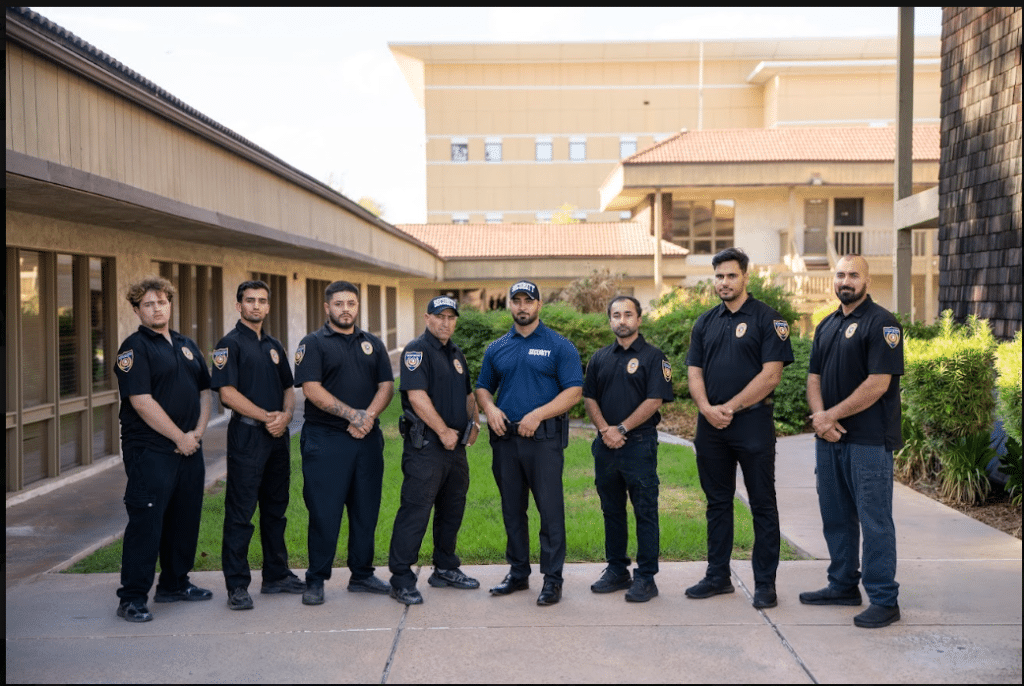
A hotel incident may involve fire, a medical emergency, severe weather, a missing person, a suspicious package, or an evacuation. Guards should know how to contact emergency services, help keep access routes open, direct guests, and communicate with management. They should not provide medical or technical services beyond their training.
OSHA’s emergency action plan requirements address reporting methods, evacuation, accountability, and employee duties. Hotels should adapt these core planning ideas to their property, including guests who are unfamiliar with the building and may need clear direction during a stressful event.
Hotels should account for guests who have mobility, language, hearing, or vision needs during an emergency. Security officers may help direct people, keep routes clear, and relay information, but the hotel must define the full assistance plan with qualified safety personnel. Drills and staff briefings can reveal whether overnight teams have enough information and resources to carry out those assignments.
Protect Hospitality by Giving Security Its Own Role
Reliable hotel guest safety security supports hospitality rather than replacing it. Dedicated officers allow front desk teams to remain available, give managers a trained responder, and extend observation into corridors, parking areas, events, and overnight operations.
West Coast Security Patrol provides armed and unarmed personnel plus commercial security guard riverside for businesses with public access. Support your hotel team with a tailored security assessment and staffing plan designed around guest experience, property layout, and operating hours.