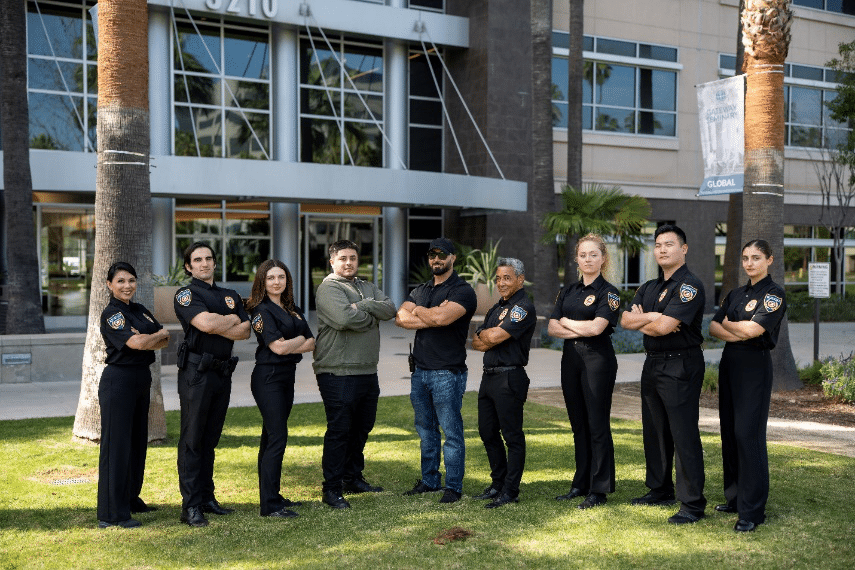

An empty building may have fewer employees and customers, but it also has fewer people to notice a broken window, leaking pipe, forced door, or unfamiliar vehicle. Owners who use commercial building security guards understand that vacancy removes much of the natural observation that normally discourages opportunistic activity.
Professional vacant property security services provide repeated checks instead of leaving a property dependent on occasional visits. Our commercial security services can combine standing guards, mobile patrols, access checks, and incident reports according to the property’s size, condition, location, and expected period of vacancy.
Vacancy Removes the Property’s Everyday Deterrents
A closed business often develops visible signs of inactivity. Parking areas remain empty, deliveries accumulate, exterior lights fail, landscaping changes, and the same blinds stay closed for weeks. People looking for an easy target may test gates or doors to determine whether anyone will respond.
Routine activity can restore some uncertainty. A marked patrol vehicle, uniformed officer, changed visit time, or documented inspection shows that the property is not abandoned. Security should be supported by working locks, lighting, alarms, and maintenance, but active checks connect those measures to a real response process.
Trespassing Can Lead to Damage Beyond the Initial Entry
A single unauthorized entry can lead to theft, vandalism, dumping, illegal occupancy, copper removal, water damage, or fire. Vacant structures can also attract repeated visits after people discover that no one appears to monitor the site. Small damage may become much more expensive when it remains unnoticed for several days.
The U.S. Fire Administration recommends identifying vacant properties, securing them against unauthorized access, and conducting regular patrols. Its vacant and abandoned building guidance also highlights the value of watching for changes in a property’s condition and coordinating with local authorities where appropriate.
Passive Equipment Cannot Investigate What It Detects
Cameras and alarms are valuable, but they do not always explain what caused an alert. Weather, animals, maintenance activity, damaged sensors, and genuine intrusion can create similar notifications. An officer can inspect the area, preserve distance, contact the designated manager, and request police or fire assistance when the circumstances require it.
Using private security guards in Riverside can also support sites where utilities or communications are unreliable during vacancy. Officers may identify a dark camera, damaged fence, standing water, or open service door that remote systems cannot interpret. Their report gives the owner information for a timely maintenance or emergency decision.
Owners should also arrange lawful access for patrol officers and keep keys, codes, and contact lists current. If a guard cannot enter an agreed inspection area, a leak, open window, or interior damage may remain undiscovered. Key control should record who received access, when it was returned, and how lost credentials are handled. These basic controls protect the property while limiting unnecessary entry into an unoccupied building.

Active Patrols Create Repeated Signs of Oversight
A good patrol plan covers more than the front entrance. Routes may include loading docks, roof access, rear alleys, stairwells, parking structures, utility rooms, fences, and exterior storage. Visit times can vary within agreed service windows so the pattern is less predictable to anyone observing the property.
UCLA Police describes patrol duties that include responding to calls, investigating suspicious activity, checking property, and maintaining a visible presence. Although private patrol duties differ from public policing, the visible patrol function shows why movement and observation can discourage misconduct and reveal problems earlier.
Patrol frequency should reflect how quickly conditions can change. A property with recent break-ins, active repairs, valuable equipment, or repeated trespassing may need more frequent visits than a secured office awaiting a short lease transition. Owners can reduce or increase coverage after reviewing reports and correcting physical weaknesses, rather than keeping the same schedule regardless of evidence.
Reports Help Owners Correct Problems Before They Grow
A patrol report should tell the owner what was checked and what changed. Time stamps, photographs, door status, lighting conditions, evidence of entry, and maintenance concerns help managers compare one visit with the next. Clear escalation rules identify which findings require an immediate call and which can wait for normal business hours.
Organizations using commercial security guard riverside can also request post orders that reflect leasing activity, renovation work, inspections, or prospective-buyer visits. UCLA Police offers crime prevention and security survey resources that reinforce the value of reviewing physical conditions rather than relying on a single protective measure.
Owners should review reports instead of storing them without action. Repeated lighting failures, unsecured doors, or evidence of trespassing may require maintenance, added barriers, a different patrol window, or continuous coverage for a limited period. The report is most valuable when it leads to a documented decision.

Preserve the Property While It Waits for Its Next Use
Consistent vacant-property patrols help protect the value and usability of a building while it awaits sale, renovation, or new tenants. Active oversight can detect damage earlier, discourage repeat trespassing, and create records that support maintenance, insurance, and property-management decisions.
West Coast Security Patrol provides on-site officers and scheduled vehicle patrols for commercial properties across its service areas. Protect your vacant building with a tailored inspection and response plan before signs of neglect invite preventable loss.