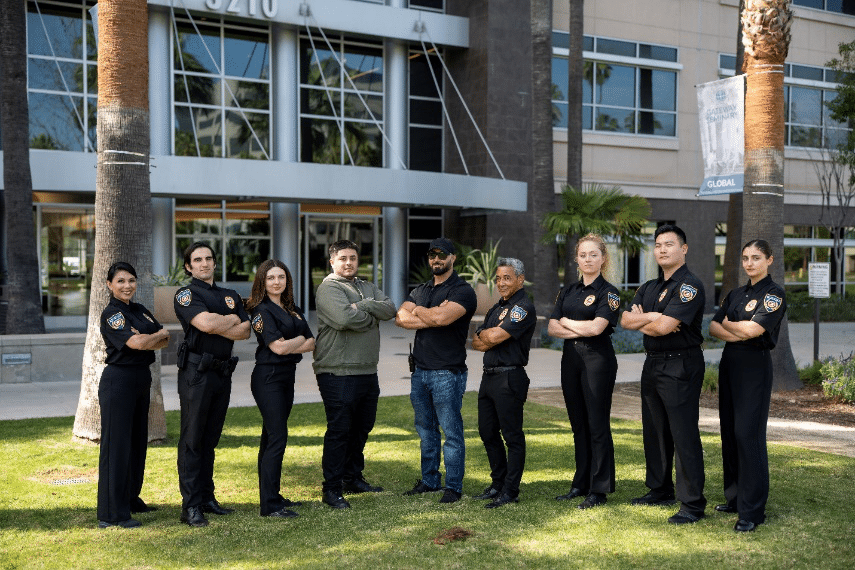

In California, a fire watch is usually required in two situations. The first is when a required sprinkler, alarm or other fire protection system is out of service and the fire code official orders one in place of evacuating the building. The second is hot work, such as welding or grinding, near anything that can burn. There the watch runs during the work and for at least 30 minutes after it. Hot work is also where the OSHA fire watch requirements, Cal/OSHA and the fire code overlap. This guide is for the property manager whose sprinkler just failed and the contractor with hot work on tomorrow’s schedule. Your local fire department can add its own rules, and its order controls.
The quick answer
| Situation | Is a fire watch required? | Who decides |
| Sprinkler or fire alarm out of service | When the fire code official requires it, instead of evacuating | Local fire department (CFC 901.7) |
| Welding, cutting, grinding or torch work | Yes, during the work and at least 30 minutes after, unless the work area has nothing that can burn | Fire code, can be extended by the fire code official (CFC 3504.2.1) |
| Construction or demolition | When the fire code official or site safety plan requires it, and after hours on large new buildings | Local fire department (CFC 3303.5) |
| Large events and assembly spaces | When the fire code official requires it | Local fire department (CFC 403.11.1) |
Key takeaways
- When a required fire protection system is out of service, the California Fire Code requires that the fire department and the fire code official be notified immediately.
- The fire code official decides if the building must be evacuated or protected by an approved fire watch.
- Hot work needs a fire watch during the work and for at least 30 minutes after it ends, unless the work area has no fire hazards or combustible materials.
- A fire watch guard patrols on a set schedule, every 30 minutes in Newport Beach and at least once an hour in Riverside County, and logs every round.
- Under the fire code, a fire watch on a building with a system out of service has one duty, which is constant patrol for fire.
- The fire department decides when a fire watch ends, and Riverside County accepts only a written termination after the system is back in service.
What is a fire watch?
A fire watch is a temporary measure under the California Fire Code. One or more qualified people keep continuous, systematic watch over a building to find fire hazards, spot fire early, raise the alarm and call the fire department. In practice, the fire watcher walks a set route, checks each area on schedule and, if a fire starts, calls 911 and helps people get out.
A fire watch gives the early warning the failed system would have given, using people, until the system works again. It lets a building stay open when the alternative is an order to evacuate.
When California requires a fire watch
The fire code official is the person your local fire department names to enforce the code, usually the fire marshal. The rules below come from the 2025 California Fire Code, which took effect on January 1, 2026 for the whole state. Each trigger below names what sets it off and the code section behind it.
1. A fire protection system is out of service
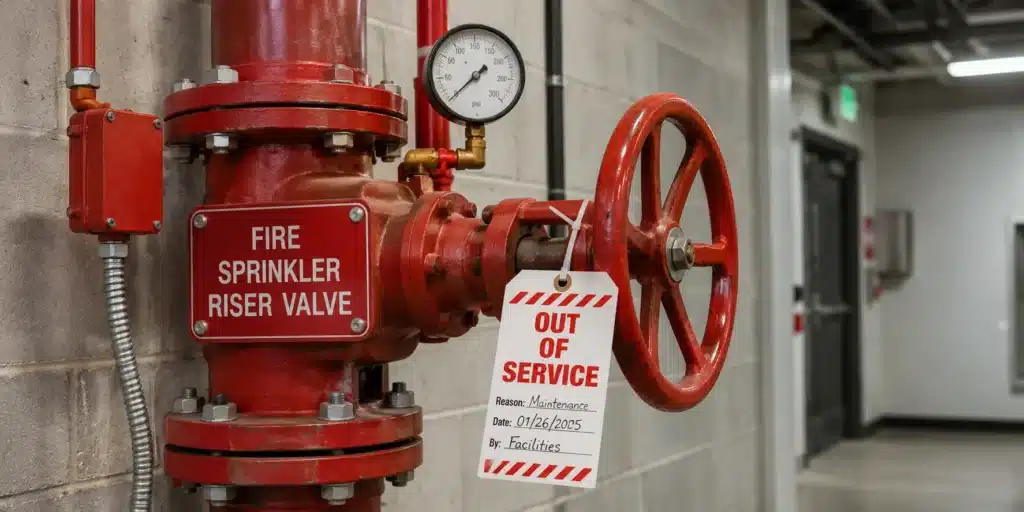
CFC Section 901.7 sets the rule. When a required fire protection system is out of service, you must notify the fire department and the fire code official immediately. Then, where the fire code official requires it, you must evacuate the building or post an approved fire watch until the system is back in service.
The common causes are ordinary. A sprinkler pipe breaks. An alarm panel fails. A water main break cuts the supply. A remodel or planned test takes part of the system offline. For the risk itself, see why a system outage removes a layer of protection.
Planned and sudden outages differ in one useful way. A planned shutdown gives you time to call the fire department first and book coverage before the valve closes. A sudden failure gives you no warning. You make the same calls after the fact, often at night, with the building already exposed.
2. Hot work is under way
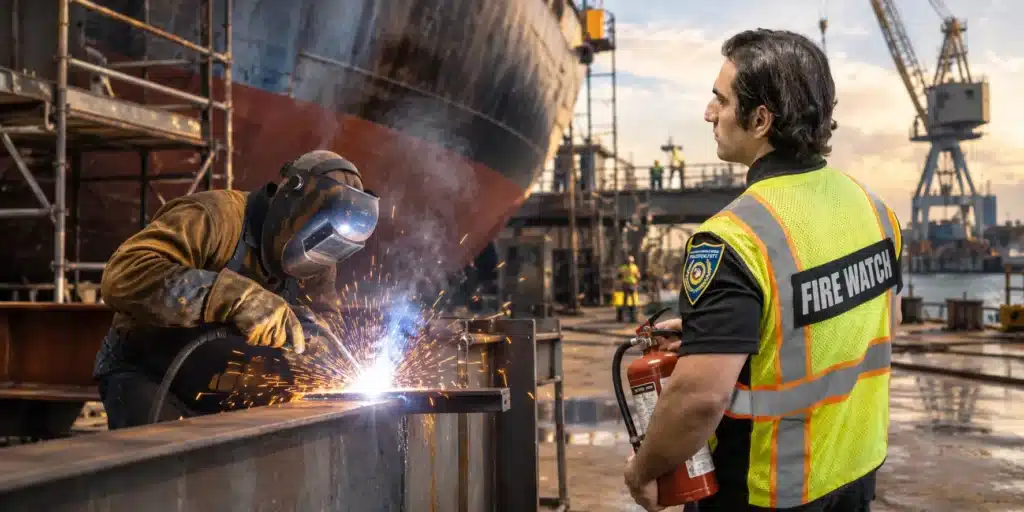
Hot work is welding, cutting, brazing, grinding and torch work. CFC Section 3504.2.1 requires a fire watch during the work and for not less than 30 minutes after it ends. The one exception is a work area with no fire hazards or combustible materials. Thirty minutes is the floor. The fire code official, or the manager responsible for a hot work program, can extend that time when the hazards call for it.
The OSHA fire watch requirements say the same thing in federal form. 29 CFR 1910.252 requires a fire watch for at least a half hour after welding or cutting is complete, to catch smoldering fires. Most California employers answer to Cal/OSHA rather than federal OSHA. Cal/OSHA’s welding rule, Title 8 Section 4848, requires a fire prevention and suppression procedure based on NFPA 51B, the national hot work standard. On a California job, follow the fire code and Cal/OSHA together, and use the longer time if they differ.
3. Construction, alteration or demolition
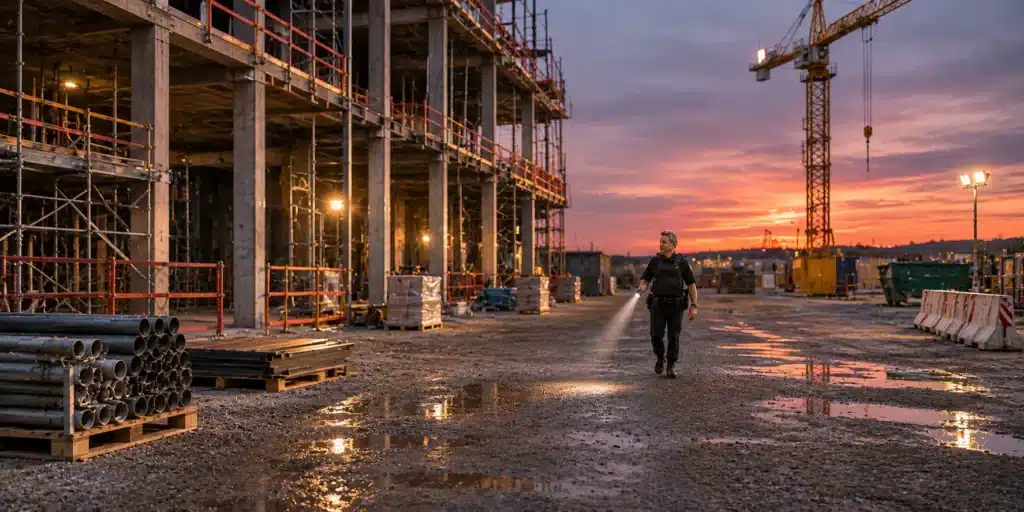
CFC Section 3303.5 lets the fire code official or the site safety plan require a fire watch for construction and demolition. One part is specific. New construction taller than 40 feet, or a new multistory building with more than 50,000 square feet per story, needs a fire watch during nonworking hours. That is the empty stretch after crews leave, when a fire can grow for hours before anyone sees it. Large storage buildings carry the same risk, as fire watch for California warehouses explains.
4. Large events and assembly spaces
CFC Section 403.11.1 lets the fire code official require fire watch personnel at places where people gather, based on the crowd or the activity. Those personnel stay on duty while the space is open. They watch for fire and blocked exits, and they help people leave if needed. The fire code official decides when this applies, so ask early in your event planning. Fire watch at an event is a separate job from event security, even when one company provides both.
5. Whenever the fire department says so
A fire department can also order a fire watch for a defective, inadequate or unapproved system, or for any other fire risk it finds. The order is the rule.
One point needs correcting. Some pages online say a fire watch is required any time a system is offline, for any reason. The code says something narrower. Section 901.7 requires the fire department to be notified, and then requires a fire watch or evacuation where the fire code official requires it. The decision belongs to the fire code official, and that is the question to ask on your first call.
What a fire watch guard does on shift
Local fire departments set the details, so start with yours. Two Southern California examples show how much they can differ. The Riverside County Fire Department guideline OFM-15 calls for patrols at least once each hour, around the clock, unless the fire marshal agrees otherwise. The Newport Beach Fire Department guideline A.05 calls for patrols every 30 minutes, by personnel the department approves, who are at least 21 and have no other duties.
So what does a fire watcher do on a typical shift? The duties are routine. That is the point:
- Patrol route and interval. Walk the full protected area on the required schedule, including stairwells, basements and other rooms nobody uses at night.
- What to look for. Smoke, heat, sparks, flammable storage near ignition sources, blocked exits and doors propped open.
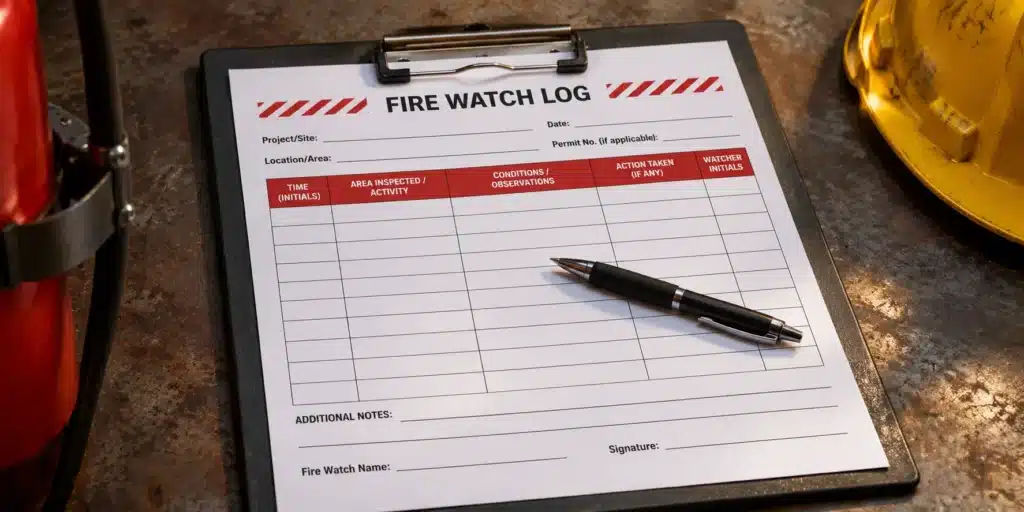
- The log. Record the time, the area and the condition found on every round, with a signature.
- Phone or radio. Carry an approved way to call the fire department immediately.
- Extinguisher. Know where the portable extinguishers are and how to use them on a small fire.
- Exits and evacuation. Know the exits and how to alert occupants, by intercom, air horn or knocking on doors.
- No other duties. The fire code says their only duty is constant patrol. A fire watcher is not the front desk.
Keep the log. Riverside County requires it on the premises for inspection and a copy emailed for each 24-hour period. Newport Beach requires it by email every morning. A good patrol log is the record that the watch actually happened.
Your first steps when a sprinkler or alarm goes down
Use this checklist the night it happens. Print it now, before you need it.
- Make people safe first. If there is smoke, fire or flooding, call 911 and get people out.
- Call the fire department. Use the non-emergency line unless there is an emergency. Section 901.7 requires immediate notice, and the department will tell you to evacuate or to post a fire watch.
- Call your alarm monitoring company. Tell them which system is down so they handle signals correctly.
- Arrange a fire watch or evacuate. Follow the fire department’s instruction. If a watch is ordered, it starts now, not in the morning.
- Call a licensed fire protection contractor. Book the repair at the same time as the watch.
- Keep records. Note who you called and when, keep the fire watch log and save the contractor’s work order.
- Never end the watch on your own. Wait for the fire department to approve the end, in writing where your jurisdiction requires it.
Keep a fire watch provider’s number on file before you need it. Searching for a provider at 2 a.m., with the alarm company on hold and tenants asking questions in the lobby, is the slowest way to start a fire watch.
How long does a fire watch last?
For a system outage, the fire watch lasts until the system is repaired, tested and back in service, and the fire department approves ending it. Riverside County does not accept a verbal end. Newport Beach asks for a letter or work order from the service company confirming the system is back in service.
For hot work, the watch covers the job plus at least 30 minutes after it ends. The fire code official can extend it.
A fire watch is a stopgap. Every hour of it is an hour of people watching for a fire the system would have caught on its own, so book the repair on the same day you book the watch.
Who can perform a fire watch?
It depends on the fire department. Some allow trained building staff. Many expect a dedicated person, and the code says that person’s only duty is constant patrol. Newport Beach goes further and requires fire watch personnel to be approved by the department and at least 21. Ask your fire department before you assign your own people, and get the answer in writing if you can, because the person on watch is the building’s fire protection until the system returns.
Owners often hire a security company for fire watch security. Four plain reasons explain the choice:
- Overnight coverage. Outages do not wait for business hours, and a watch can run 24 hours a day.
- No other duties. Your staff have their own jobs. A dedicated fire watch does not.
- Shift replacement. A provider can cover relief and sick calls without leaving a gap.
- A ready log. A trained officer keeps the record the fire department may ask for.
If you hire a company, check its license first in the DCA license search. The Bureau of Security and Investigative Services licenses private patrol operators in California, and the search shows the license status.
Frequently asked questions
Is a fire watch required by law in California?
Yes, in defined cases. The California Fire Code requires one during hot work and for at least 30 minutes after, unless the work area has nothing that can burn. When a required system is out of service, it requires one where the fire code official orders it in place of evacuation.
How often does a fire watch guard patrol?
As often as your fire department requires. Newport Beach requires a patrol every 30 minutes, and Riverside County requires at least one patrol each hour unless it specifies otherwise.
Can my own employee do the fire watch?
Sometimes. It depends on your fire department’s rules, and the person must have no other duties while on watch.
What does OSHA say about fire watch?
The OSHA fire watch requirements in 29 CFR 1910.252 call for a fire watch when welding or cutting could start more than a minor fire, such as with combustible material within 35 feet, and for at least a half hour after the work. Most California employers fall under Cal/OSHA, and the California Fire Code sets its own 30-minute minimum for hot work.
When can I stop the fire watch?
Only when the fire department approves it, after the system is repaired and back in service. Riverside County requires that approval in writing.
Get Fire Watch Coverage in Southern California
West Coast Security & Patrol is a California fire watch company serving Los Angeles, Orange, Riverside and San Bernardino counties. We cover system outages, hot work and construction sites. We answer the phone 24 hours a day at 1 (800) 484-7062. Call us, or request a quote and tell us what your fire department has ordered.
California PPO License #120329.